
Civil Drafting Process Explained: From Survey Data to Permit-Ready Plans
Civil Drafting Process Explained in simple terms means understanding how raw survey data and engineering concepts are transformed into organized, permit-ready civil documentation. While engineering calculations define system performance, disciplined drafting ensures that those designs are clearly structured for municipal review and construction execution.
Every successful development project relies on documentation clarity. The civil drafting process connects field data, engineering intent, and regulatory requirements into coordinated drawing sets that support efficient approvals.
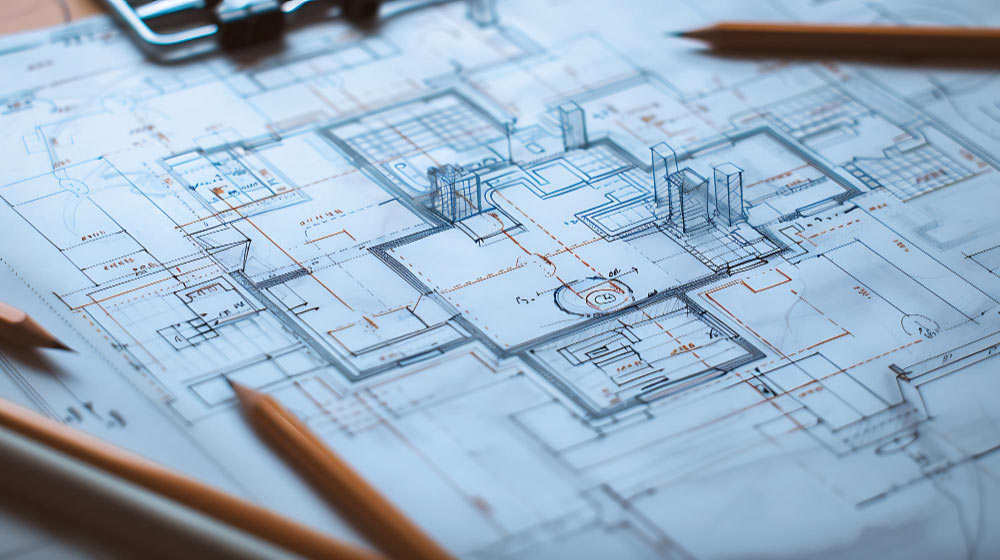
Step 1: Gathering and Interpreting Survey Data
The civil drafting process begins with accurate survey data. Topographic information, boundary lines, elevations, and existing utilities provide the foundation for all future documentation.
Survey files are typically delivered in digital format and must be reviewed carefully to ensure:
- Accurate elevation references
- Clear boundary verification
- Identification of existing infrastructure
- Confirmation of coordinate systems
Proper interpretation at this stage prevents downstream corrections and supports drafting accuracy throughout the project lifecycle.
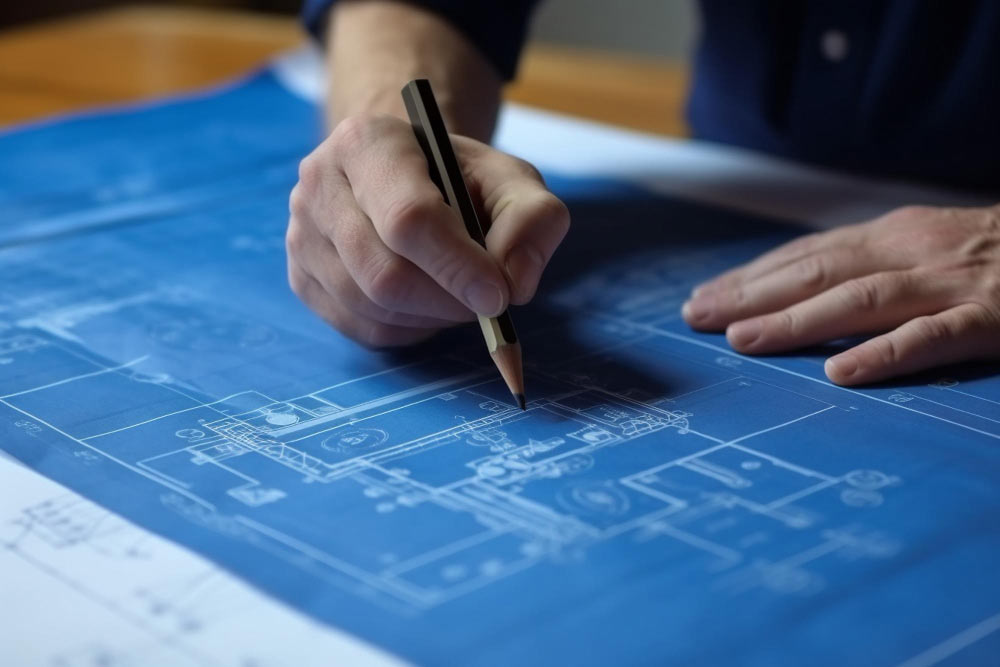
Step 2: Translating Engineering Concepts Into Structured Plans
Once survey data is validated, drafting teams begin organizing plan sheets around engineering direction. This stage is where the civil drafting process explained becomes most critical.
Drafting professionals structure drawings to include:
- Grading layouts
- Drainage flow patterns
- Utility alignments
- Roadway or access layouts
- Site coordination elements
Clear sheet organization and consistent notation standards ensure that engineering intent is communicated effectively.
Step 3: Coordinating Grading and Drainage Documentation
Grading and drainage coordination are among the most sensitive components of civil documentation. Municipal reviewers closely examine elevations, slopes, and stormwater management plans.
Within the civil drafting process explained, this phase includes:
- Accurate contour development
- Proper slope calculations representation
- Drainage structure placement
- Stormwater flow direction clarity
Precision drafting minimizes conflicts and supports smoother municipal review cycles.
Step 4: Structuring Utility Layouts and Profiles
Utility coordination is essential for development approval. Water, sewer, storm, and other infrastructure systems must be clearly documented and aligned across sheets.
The civil drafting process explained includes:
- Organized utility plan views
- Accurate profile development
- Clear callouts and labeling
- Cross-referenced details
When utilities are documented clearly, review timelines improve and contractor interpretation becomes more reliable.
Step 5: Preparing Permit-Ready Documentation
Permit-ready drafting is not simply about finishing drawings — it is about preparing documentation specifically for municipal review.
This stage of the civil drafting process explained focuses on:
- Sheet sequencing consistency
- Complete title blocks and project identifiers
- Structured annotations
- Clear legends and symbol references
- Organized revision tracking
Permit-ready documentation reduces confusion and supports predictable review feedback.
Why the Civil Drafting Process Explained Matters for Approvals
Municipal approvals depend on documentation clarity. Even technically accurate designs may face delays if plan sets are poorly structured.
A disciplined civil drafting process explained ensures:
- Fewer clarification requests
- Reduced revision cycles
- Faster review timelines
- Improved submission confidence
Clear documentation communicates intent quickly and effectively to reviewers.
Supporting Engineers and Development Teams
Civil drafting strengthens engineering performance by presenting technical decisions in a structured and coordinated format.
Throughout the civil drafting process explained, drafting teams:
- Maintain sheet consistency during revisions
- Coordinate updates across plan sets
- Align documentation with regulatory standards
- Improve communication between stakeholders
This collaboration improves efficiency from submission to construction.
Regional Compliance and Coordination
Municipal standards vary by region. Drafting must align with local code expectations and permitting structures.
In areas such as Central Florida, stormwater coordination, grading accuracy, and utility documentation receive heightened attention. Drafting teams that understand regional expectations can proactively structure plans to align with municipal review criteria.
Learn more about our civil drafting services in Central Florida to see how structured documentation supports efficient approvals. (Insert internal link here.)
According to the Florida Building Code (https://floridabuilding.org/), organized and compliant documentation is critical to successful development approvals. (External dofollow link.)
Conclusion
Civil Drafting Process Explained is more than a workflow description — it is a structured approach to transforming survey data into permit-ready civil documentation.
From survey interpretation and grading coordination to utility layouts and final submission preparation, disciplined drafting reduces risk and supports smoother municipal approvals.
For engineers and developers seeking predictable review timelines and coordinated documentation, understanding the civil drafting process explained is essential to project success.


